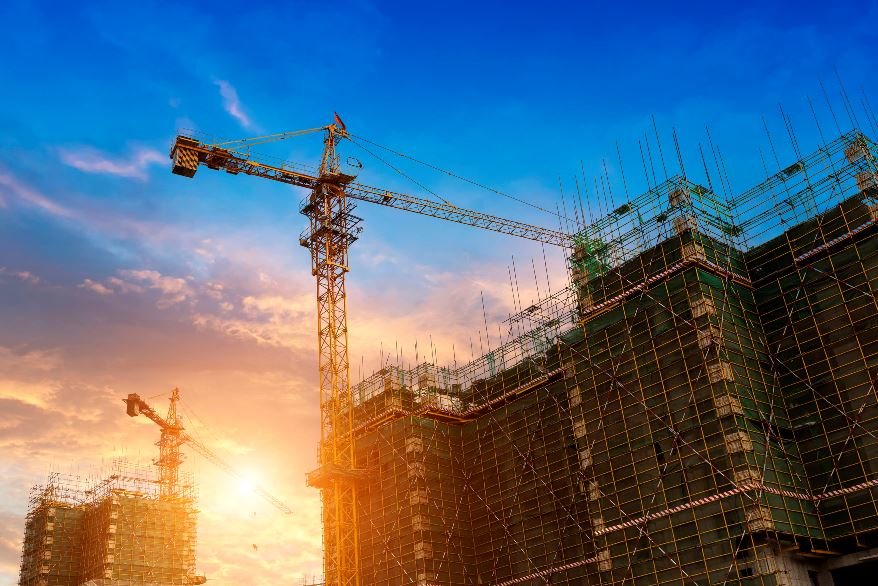
Slum Rehabilitation Projects (SRPs) have become a major part of urban redevelopment in India, particularly in metropolitan cities where rapid urbanisation and limited land availability continue to create housing challenges. These projects are designed to provide improved housing and infrastructure for slum dwellers while enabling planned urban growth. However, despite their social purpose, rehabilitation projects often involve complicated legal and regulatory issues affecting several stakeholders.
From slum residents and developers to cooperative societies and government authorities, every stakeholder possesses specific rights and obligations that directly impact the success of a rehabilitation project. Disputes relating to consent, eligibility, delays, compensation, and redevelopment agreements are common and frequently result in prolonged litigation.
Legal Framework Governing Slum Rehabilitation
Slum rehabilitation in India is governed by state-specific laws and redevelopment regulations. In Maharashtra, for example, the process is regulated under the Maharashtra Slum Areas (Improvement, Clearance and Redevelopment) Act, 1971 along with the Development Control and Promotion Regulations (DCPR).
The legal framework generally deals with:
- Eligibility of slum occupants
- Approval procedures for redevelopment schemes
- Rights and obligations of developers
- Rehabilitation entitlements for residents
- Regulatory supervision and dispute resolution
These laws aim to balance public welfare objectives with urban development needs while ensuring that rehabilitation is carried out fairly and transparently.
Rights of Slum Dwellers and Eligible Occupants
The rights of slum dwellers form the core of every rehabilitation project. Eligible occupants are usually entitled to permanent alternate accommodation free of cost, subject to compliance with prescribed eligibility conditions.
One of the most significant protections available to residents is the requirement of informed consent. In many states, redevelopment cannot proceed unless a prescribed percentage of eligible residents approve the proposal. This safeguard is intended to prevent arbitrary redevelopment and ensure collective participation.
Residents are also entitled to:
- Transit accommodation or rent compensation during redevelopment
- Access to basic civic infrastructure in the rehabilitated premises
- Protection against unlawful eviction
- Transparency regarding project timelines and rehabilitation terms
Disputes often arise when occupants are declared ineligible, where consent procedures are challenged, or where construction delays leave residents displaced for prolonged periods. Courts have repeatedly held that rehabilitation schemes must comply with statutory safeguards and principles of fairness.
Rights and Responsibilities of Developers
Developers are responsible for financing and executing rehabilitation projects. In return for undertaking redevelopment obligations, they are generally granted development rights, incentive Floor Space Index (FSI), or rights to develop sale components.
However, these benefits are accompanied by significant legal and contractual responsibilities. Developers must obtain statutory approvals, comply with rehabilitation conditions, provide transit arrangements, and complete construction within approved timelines.
Their responsibilities commonly include:
- Compliance with SRA and municipal regulations
- Timely completion of rehabilitation buildings
- Adherence to approved construction standards
- Execution of valid redevelopment agreements
Failure to comply with these obligations may result in cancellation of approvals, financial penalties, litigation, or blacklisting by regulatory authorities.
Role of Cooperative Housing Societies
In many rehabilitation projects, slum dwellers form cooperative housing societies to collectively represent their interests. These societies act as an important link between residents, developers, and authorities.
Housing societies often participate in selecting developers, negotiating redevelopment agreements, and monitoring project implementation. They may also raise objections against irregularities or initiate legal proceedings in cases involving contractual breaches or misuse of authority.
At the same time, societies are expected to function transparently and in the collective interest of their members. Allegations relating to improper consent collection, lack of disclosure, or internal disputes frequently become a source of litigation in redevelopment matters.
Powers of Government and Regulatory Authorities
Government authorities such as the Slum Rehabilitation Authority (SRA), municipal corporations, and planning departments are responsible for regulating and supervising rehabilitation projects.
Their powers generally include:
- Approval and monitoring of redevelopment schemes
- Verification of eligibility and consent requirements
- Investigation of complaints and violations
- Issuance or cancellation of project approvals
Regulatory intervention becomes particularly important where there are allegations of fraud, forged consents, unauthorised construction, or prolonged delays affecting rehabilitation rights.
Common Disputes in Slum Rehabilitation Projects
Slum Rehabilitation Projects often become the subject of disputes before courts and regulatory authorities. Some of the most common issues include disputes relating to eligibility, delays in construction, non-payment of transit rent, breach of redevelopment agreements, and challenges to consent procedures.
Conflicts may also arise between rival developers, cooperative societies, or groups of residents with competing interests. Such disputes can significantly delay projects and adversely affect both rehabilitation timelines and commercial viability.
Importance of Legal Due Diligence
Given the regulatory complexity involved, legal due diligence plays a crucial role in rehabilitation projects. Developers must verify land records, eligibility documentation, approvals, and litigation history before undertaking redevelopment.
Similarly, residents and housing societies should carefully review redevelopment agreements, rehabilitation entitlements, transit compensation clauses, and project timelines before granting consent. Proper legal guidance helps stakeholders protect their rights, minimise disputes, and ensure regulatory compliance.
Conclusion
Slum Rehabilitation Projects are an important tool for urban redevelopment and social welfare in India. However, the involvement of multiple stakeholders and extensive regulatory oversight often makes these projects legally sensitive and dispute-prone.
Understanding stakeholder rights is essential for ensuring transparency, protecting rehabilitation entitlements, and facilitating successful project execution. Whether acting as a developer, resident, investor, or housing society, stakeholders must ensure that redevelopment is carried out in accordance with applicable laws, contractual obligations, and principles of fairness.